
How Interior Design Shapes Workplace Culture
The design of a workplace is far more than a question of layout or aesthetics - it’s a powerful, often silent expression of an organisation’s culture, values and ambitions. At Wellspace Designs, we believe that space speaks. When thoughtfully designed, a workplace becomes a living reflection of a company’s ethos - communicating its commitment to wellbeing, sustainability, collaboration, or innovation in subtle but tangible ways.
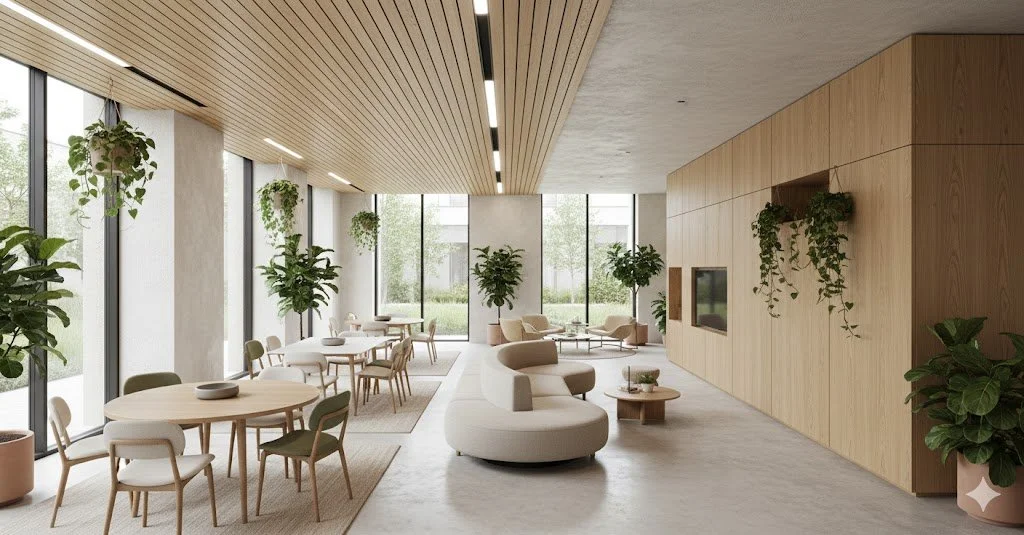
Brennan Michael Fraganes - ph: Mathilde Langevin
In a world where the purpose of the office is constantly evolving, physical space now carries a deeper responsibility: to invite people in, to help them feel a sense of belonging, and to offer more than just a place to work. It’s about creating an environment where people want to be - not just because they have to, but because it inspires connection, pride and purpose.
When people come into the office, they’re looking for more than a desk. They’re seeking connection - with their team, with their company’s mission, and with something greater than their individual tasks. A well-considered interior can facilitate this exchange. It can embody mutual respect between employer and employee. It can say, without words, "We value you, and this space was designed with that in mind."
Workplace design has the potential to uplift and empower. It can help attract aligned talent, boost morale, and reinforce a brand’s identity from the inside out.
In periods of uncertainty or transition, the physical environment can also offer a sense of stability - a quiet reassurance that there’s purpose and direction behind the scenes.
When a company’s values are visible - not on a poster, but through the textures, layout, and rhythms of daily life in the office - those values become lived. Whether it’s a commitment to low-impact materials, inclusive environments, or lifelong learning, design can help these principles move from words into action.
Culture reveals itself in how we interact, and design can gently guide those interactions. Whether through shared spaces for collaboration, calm corners for reflection, or areas designed to encourage spontaneous dialogue, the workplace can become a stage for authentic, energising exchange.
Imagine a workplace that invites friendly debate, supports learning, and celebrates wins. It might include a central social hub - one that flexes from relaxed gathering spot to workshop space — or integrated elements that encourage play, creativity, or pause. These aren’t luxuries; they’re opportunities to strengthen team spirit and express what makes a company unique.
Our role as designers is to create spaces that support different ways of working and being - and that reflect not just what a company does, but who they are.
As we shape interiors, we’re not just arranging furniture - we’re cultivating culture, fostering connection, and helping organisations build environments that inspire their people to thrive.